
$84
E-Commerce Development
E-Commerce stores built to make buying easier.
We design and build Shopify, WooCommerce and custom commerce experiences around the moments that decide a sale: product discovery, confidence, checkout and the systems that support every order.
Easier product discoveryMobile-first buyingCheckout built for confidenceConnected store operations
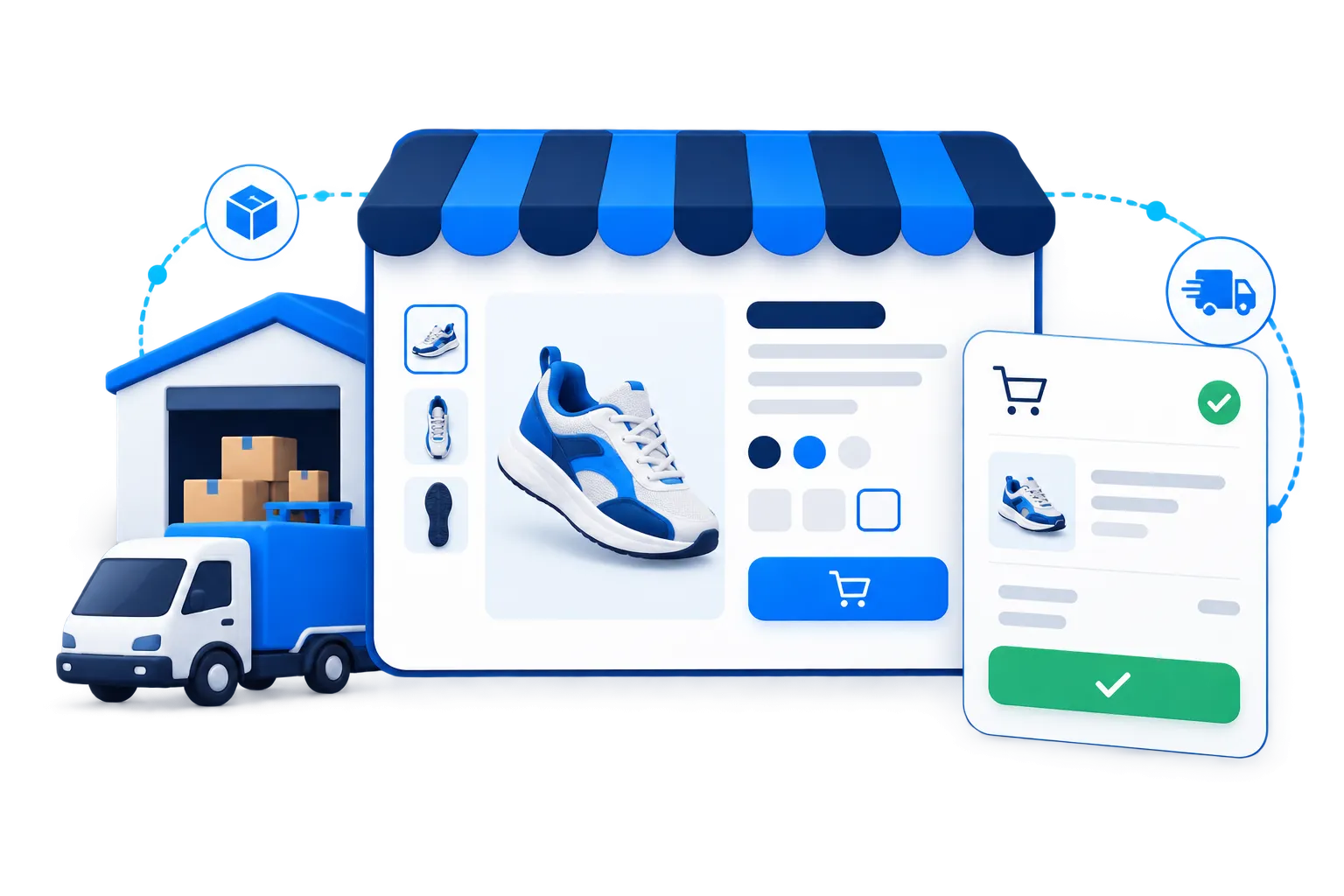
storefront.previewCommerce ready
Northline Store
$46
$58
$72
Cart
Everyday Pack
Qty 1$84
Qty 1$84
Checkout path
✓Contact
✓Delivery
3Payment
Store operations
Buyer journeyProduct → Cart → CheckoutDesigned as one connected system
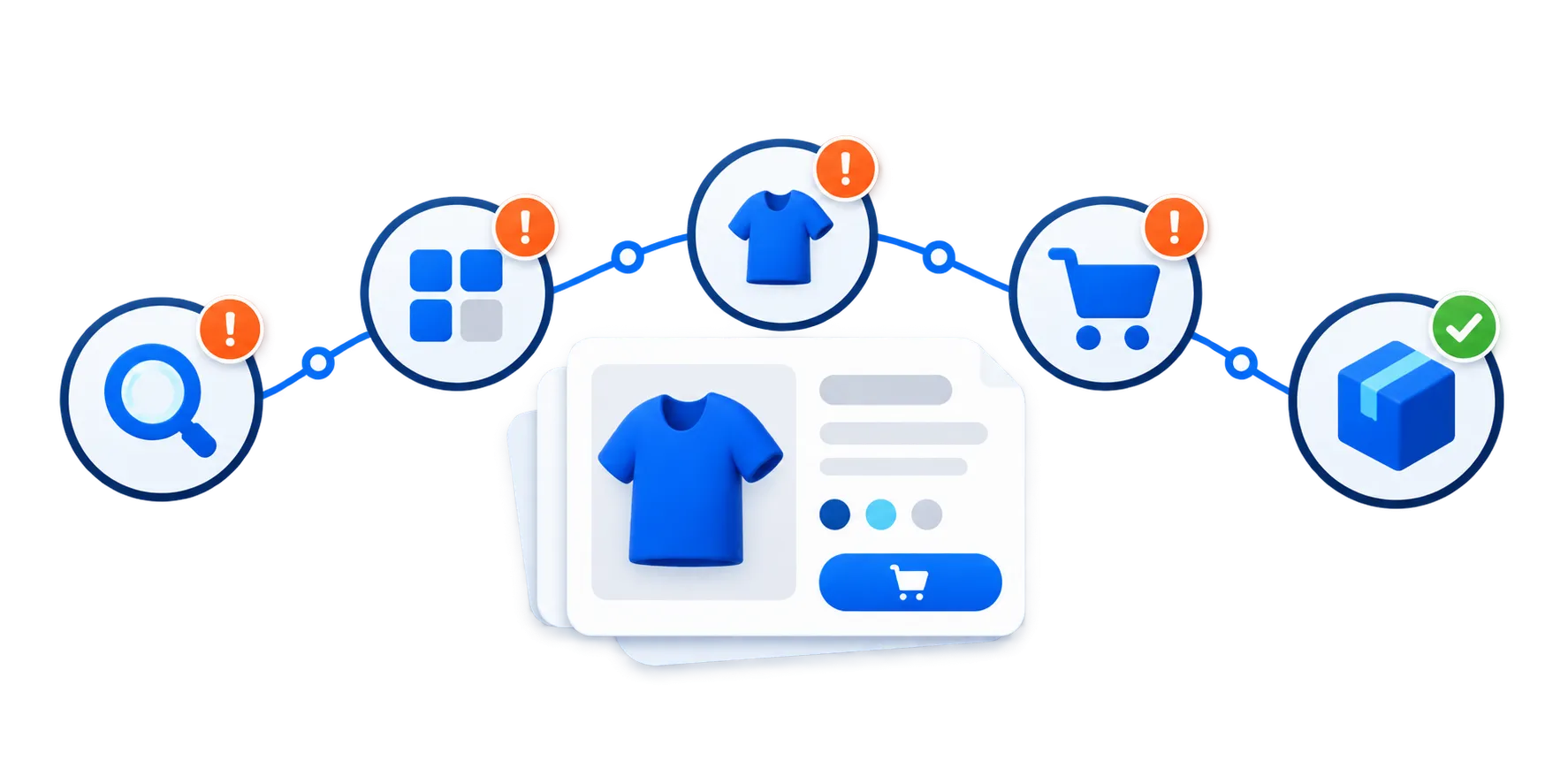
Start with the friction
A store can have great products and still make buying difficult.
The real issue is rarely one page or one platform. It is the gap between how customers need to discover, decide and complete a purchase—and what the store currently makes possible.
- 01
Customers cannot find the right products
Categories, filters, search and mobile browsing are making discovery harder than it should be.
- 02
Product pages do not build enough confidence
Product information, imagery, options, availability and delivery details are not answering the questions that block purchase.
- 03
The path from cart to fulfilment has too much friction
Checkout, platform limitations and disconnected operational systems interrupt orders that should move forward.
E-Commerce services
Choose the commerce problem that needs solving.
Choose the work that removes the next bottleneck. We match the store, platform and integrations to how customers buy and how the business needs to operate after launch.
Store Development
Build a complete storefront around the way customers discover, compare and buy products. We connect catalog structure, product templates, checkout, payments and launch readiness so the customer journey and day-to-day operations work as one system.
Catalog architectureProduct & category templatesCart & checkout UXPayments & shippingAnalytics foundationsLaunch QA
Discuss a new store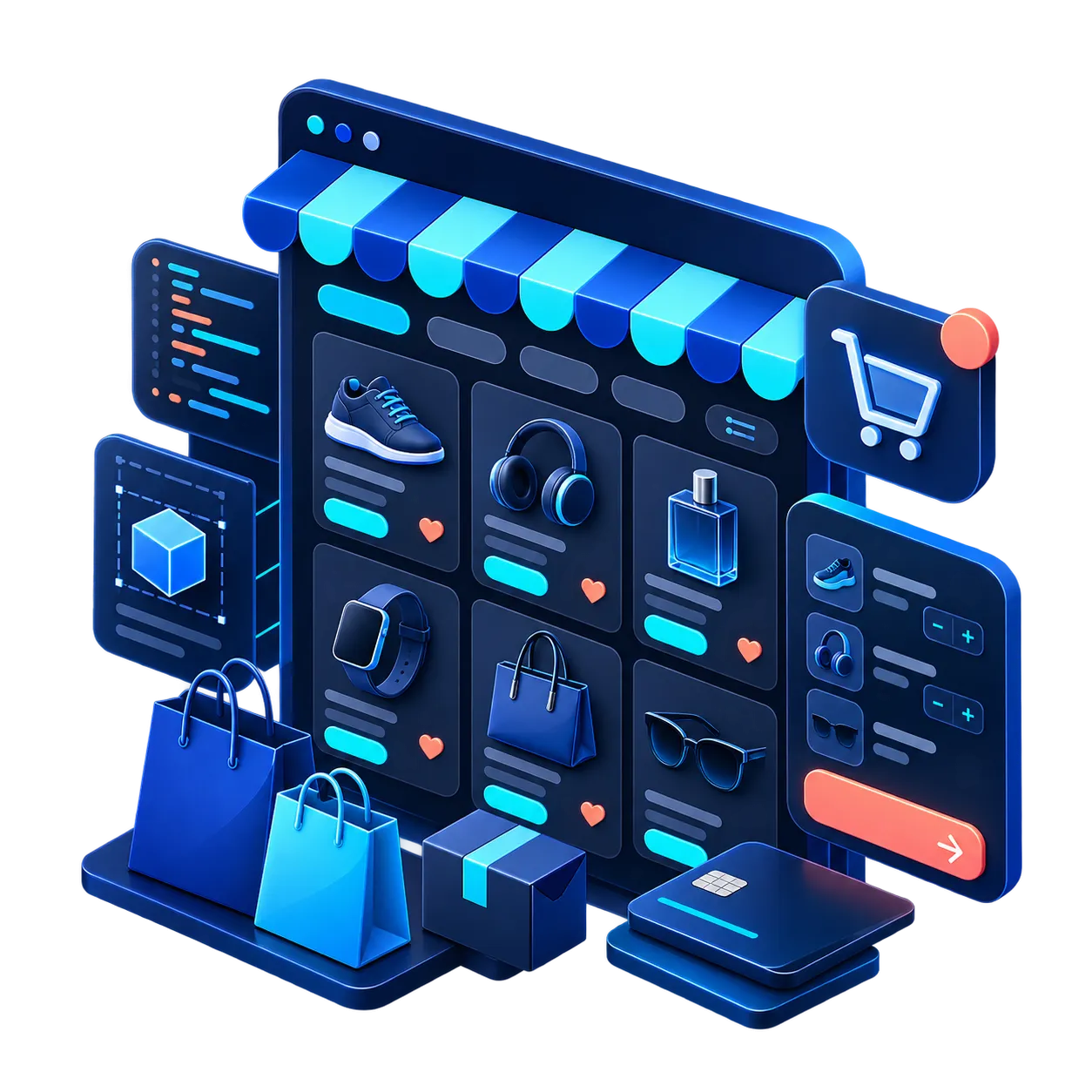
Shopify Development
Use Shopify where a reliable commerce platform and flexible merchandising can support the business without unnecessary technical overhead. We shape theme components, collections, apps, checkout and performance around the store’s actual catalog and operational needs.
Theme developmentSections & blocksCollection architectureApp integrationCheckout configurationPerformance review
Discuss Shopify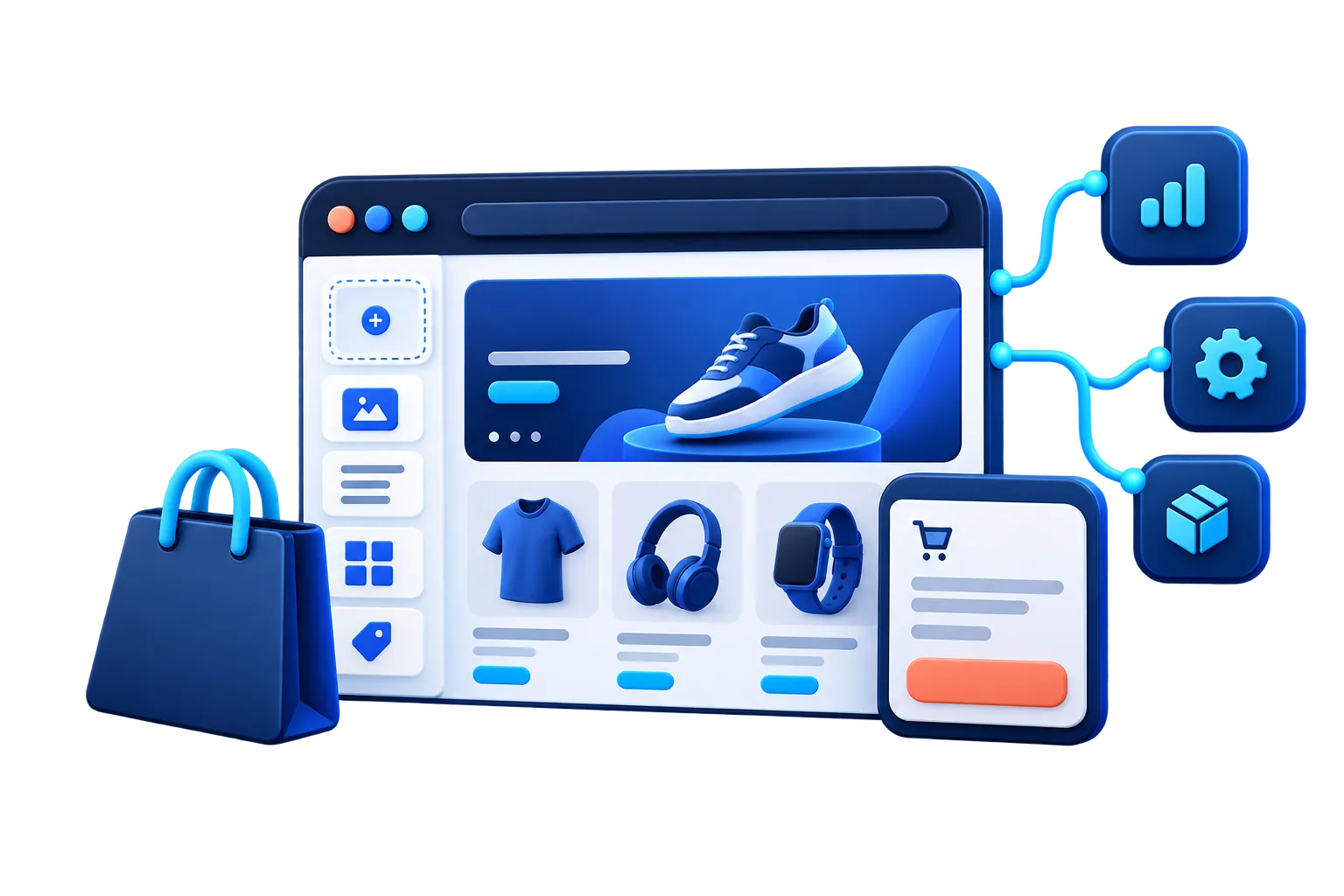
WooCommerce Development
Use WooCommerce when WordPress publishing and commerce need to work together with greater control over the experience. We plan templates, plugin choices, checkout, performance and maintenance so the store remains secure, manageable and able to evolve.
Store setupCustom templatesPlugin reviewCheckout configurationPerformanceMaintenance planning
Discuss WooCommerce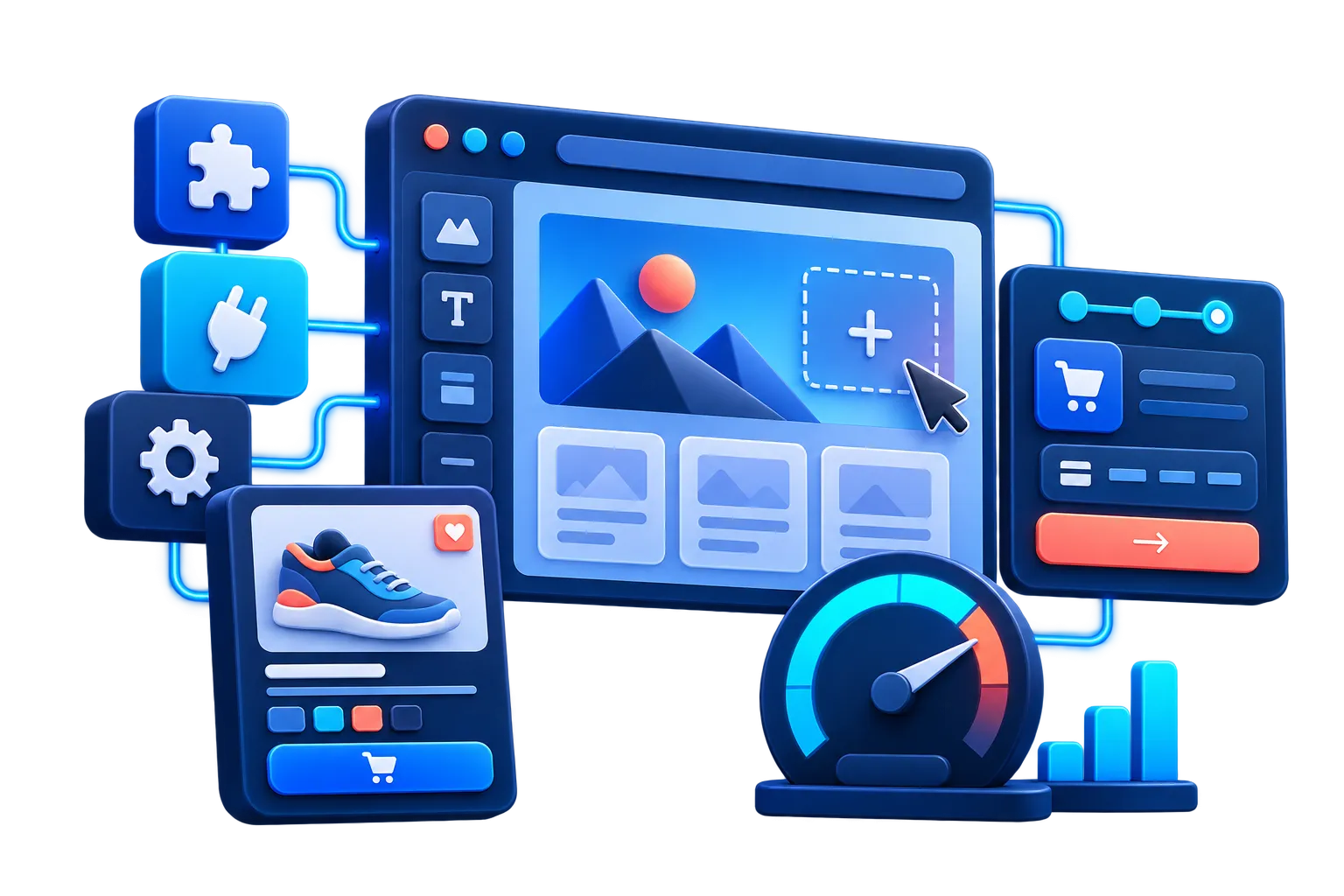
Store Redesign
Improve the parts of the store that make shopping harder—navigation, product presentation, mobile behavior, cart or checkout. We redesign around real customer friction, preserving what works while making the path to purchase clearer and more trustworthy.
UX reviewNavigation & filteringProduct pagesCart UXResponsive redesignConversion paths
Discuss a redesign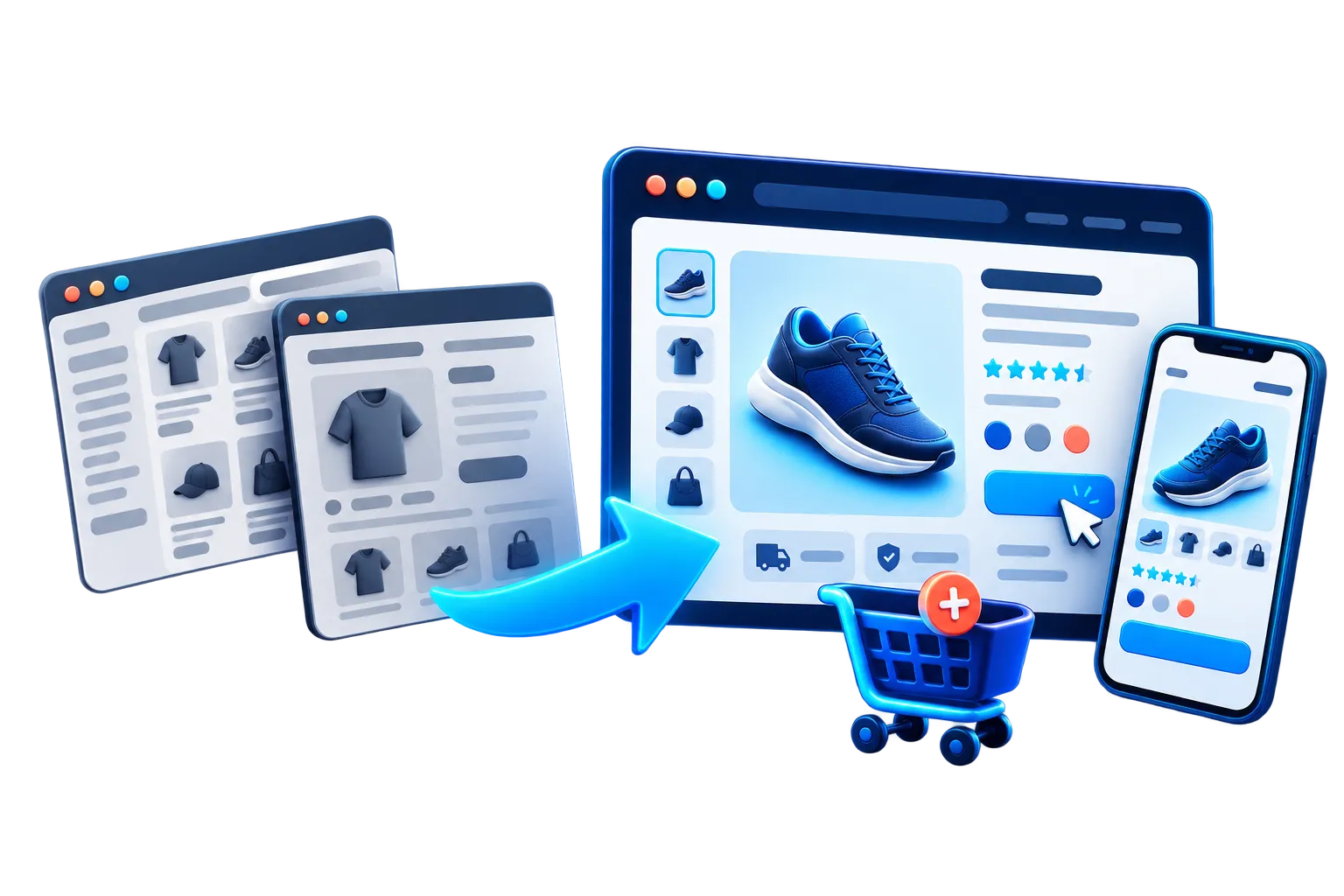
Store Migration
Move a store without losing the information, visibility or integrations it depends on. We plan product and content transfer, URLs and redirects, data, platform configuration and launch checks so customers and search engines experience a controlled transition.
Products & variantsCategories & contentCustomer data where applicableURL mappingRedirect planningPost-launch QA
Discuss a migration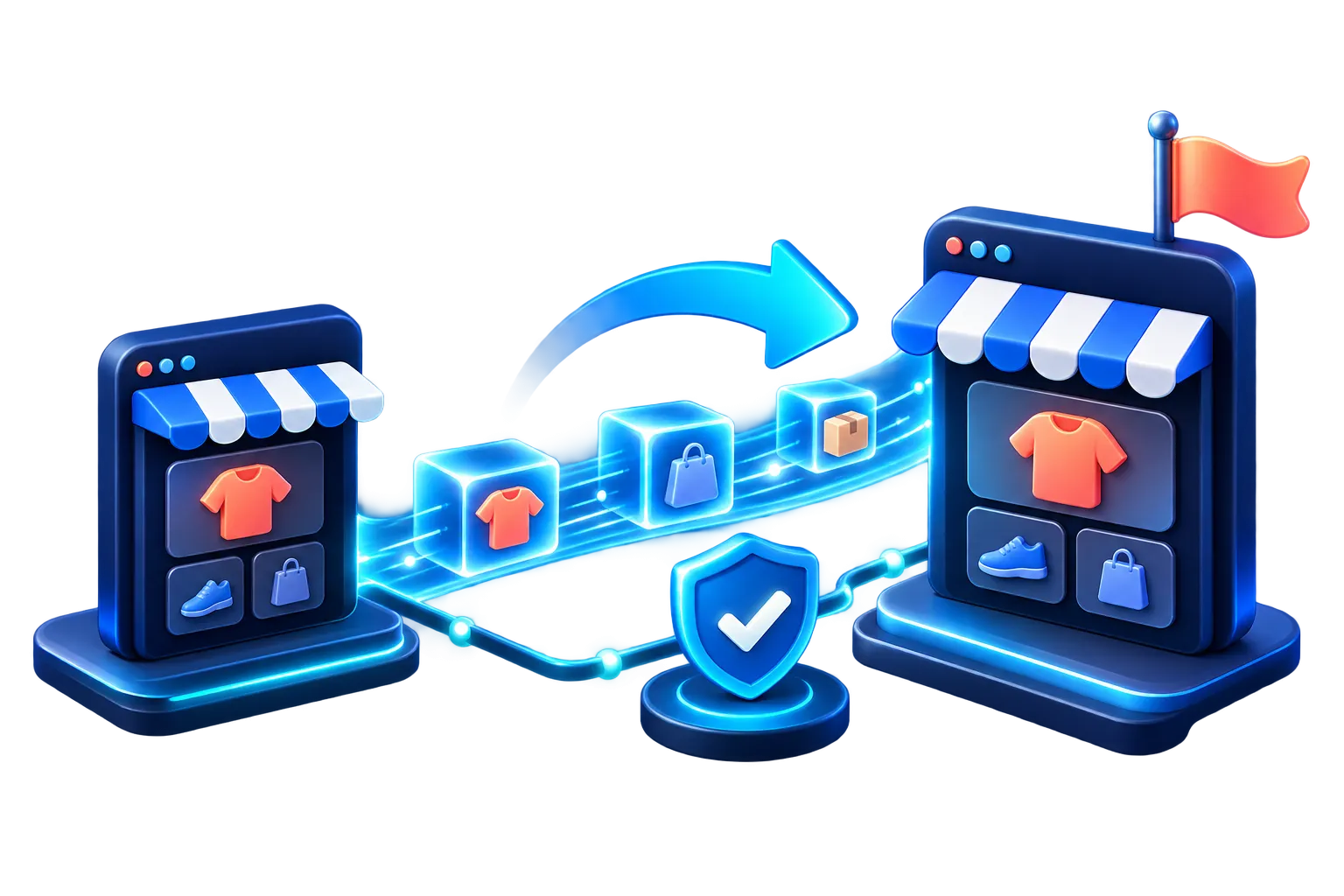
Store Optimization
Improve the existing store where performance, discovery or conversion has started to slip. We identify the highest-impact friction across speed, search and filtering, product experience, tracking, integrations and technical debt, then prioritize fixes around commercial value.
PerformanceSearch & filteringConversion UXAnalyticsIntegration cleanupTechnical improvements
Discuss optimization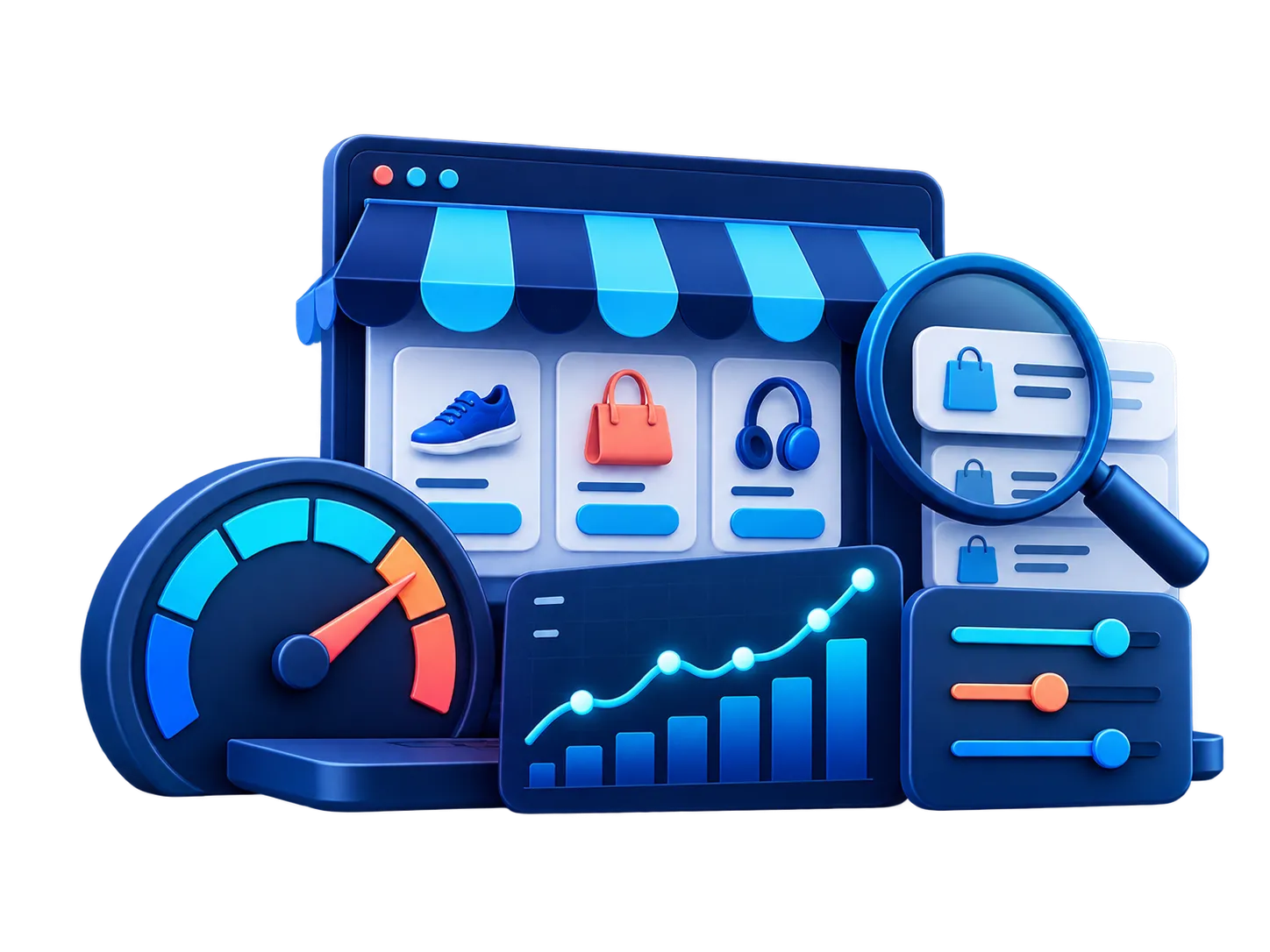
The commerce journey
Every purchase is one connected journey.
Customers do not experience a catalog, product page and checkout as separate pieces. They experience one purchase journey, and each stage should make the next step easier.
01
Discovery
Help the right shoppers arrive.
Search · campaigns · categories02
Product finding
Help shoppers narrow the catalog quickly.
Navigation · filters · search03
Product confidence
Give shoppers the clarity they need to buy.
Images · details · price · availability04
Checkout
Make the final decision easy to complete.
Cart · delivery · payments05
After purchase
Turn a completed order into useful follow-up.
Email · CRM · repeat purchase
Store architecture + search
Connect E-Commerce with SEO
Make products easy to find—for shoppers and search.
Store architecture should help customers reach the right product quickly while giving search engines clear, controlled paths through the catalog.
✓
Crawlable product pathsReal links from categories and subcategories to the products that should be discoverable.
✓
URL & canonical planningConsistent product URLs, variants and migration rules reduce duplicate and conflicting signals.
✓
Product data readinessWhere appropriate, product, offer, availability, shipping and return information can support structured commerce data.
✓
Controlled filtersFacet and filter behavior is planned with both shopper usefulness and crawl efficiency in mind.
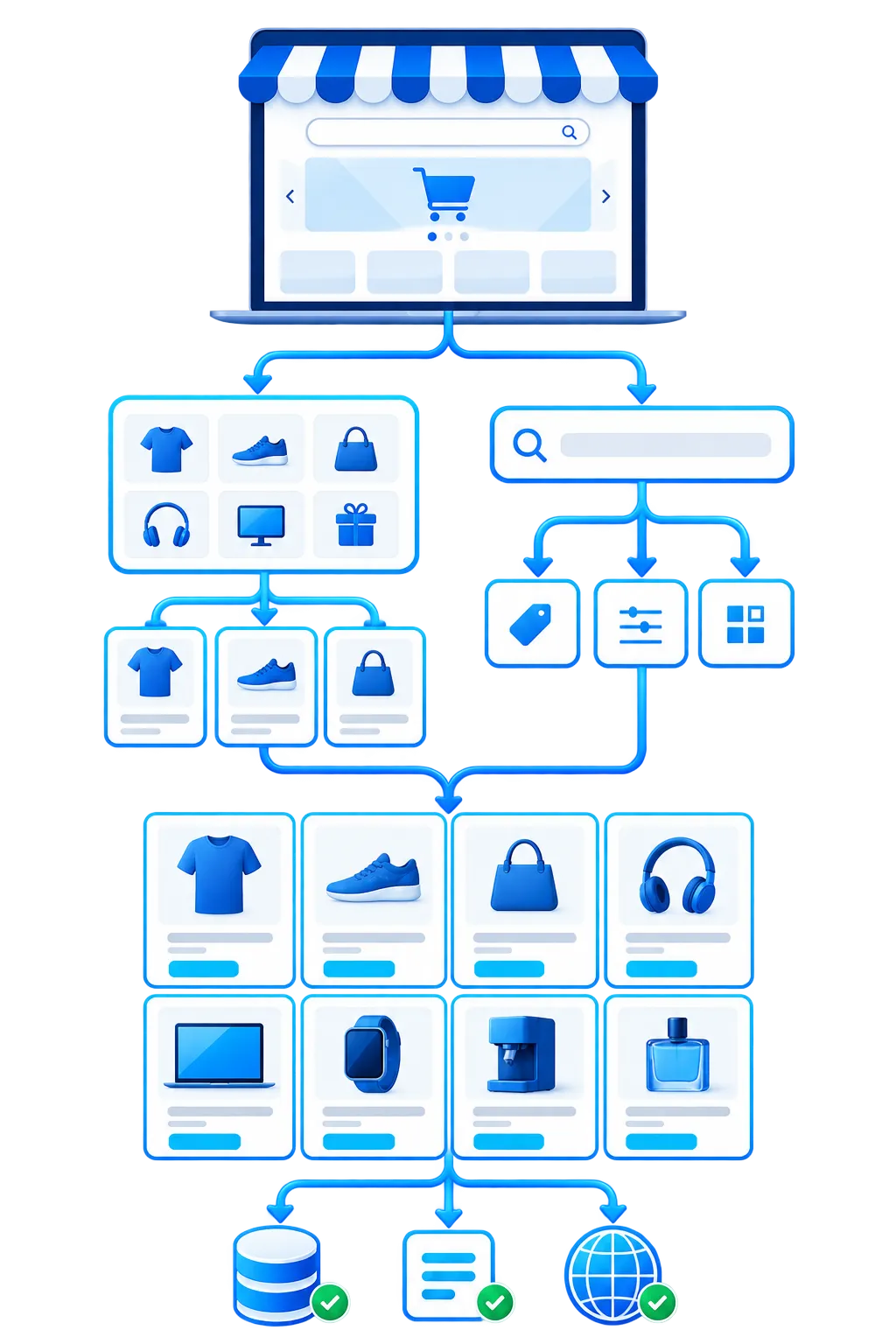
Beyond the storefront
A store is connected to the work behind every order.
Buying experience, store operations and business integrations need to work together. A polished product page cannot compensate for slow fulfilment data, broken tracking or an overloaded platform.
Shopping experience
Make discovery, evaluation and checkout easier.
- Responsive storefront
- Product imagery & content
- Search & filtering
- Cart & checkout UX
Commerce operations
Connect what customers buy to what the business must fulfill.
- Payments
- Shipping & delivery
- Inventory & orders
- Notifications
Business integrations
Move the right data between the store and wider business systems.
- CRM & email
- Analytics
- Fulfilment tools
- APIs & custom integrations
Built with practical safeguards:Performance considered from the startEstablished payment gatewaysSecure development practicesAccessible interactions
E-Commerce FAQ
Straight answers before the store project starts.
The right platform depends on catalog complexity, content needs, integrations, team workflow, budget and how much customization the store requires. Platform selection should follow discovery rather than lead it.
Yes. We can improve navigation, product discovery, product pages, mobile usability and checkout, or plan a move to a more suitable platform. Migration scope can include products, categories, content, customer data where applicable, URLs, redirects, analytics, integrations and post-launch validation.
We typically need the product information, imagery, pricing, shipping and return rules, required policies, existing platform access where relevant and any systems the store must connect with. It also helps to identify who will provide content, feedback and final decisions.
Yes, where the chosen platform and providers support the required connection. Integration scope can include payment gateways, shipping, inventory, email, analytics, CRM and fulfilment tools, with compatibility and provider requirements confirmed before implementation.
Timing depends on catalog size, content readiness, platform configuration, migration requirements, integrations and feedback speed. We define the delivery stages, dependencies and launch plan after the project scope is clear.
Cost depends on the platform, catalog complexity, custom functionality, content requirements, migration and integrations. We identify the essential store requirements first, then recommend a clearly scoped project rather than forcing every business into the same package.
We complete the agreed launch checks and provide the appropriate handoff, documentation or training included in the scope. Ongoing support can also cover performance, product discovery, tracking, integrations and new store requirements as the business evolves.